
Big Carbon Savings at Exist Skatepark 🚍
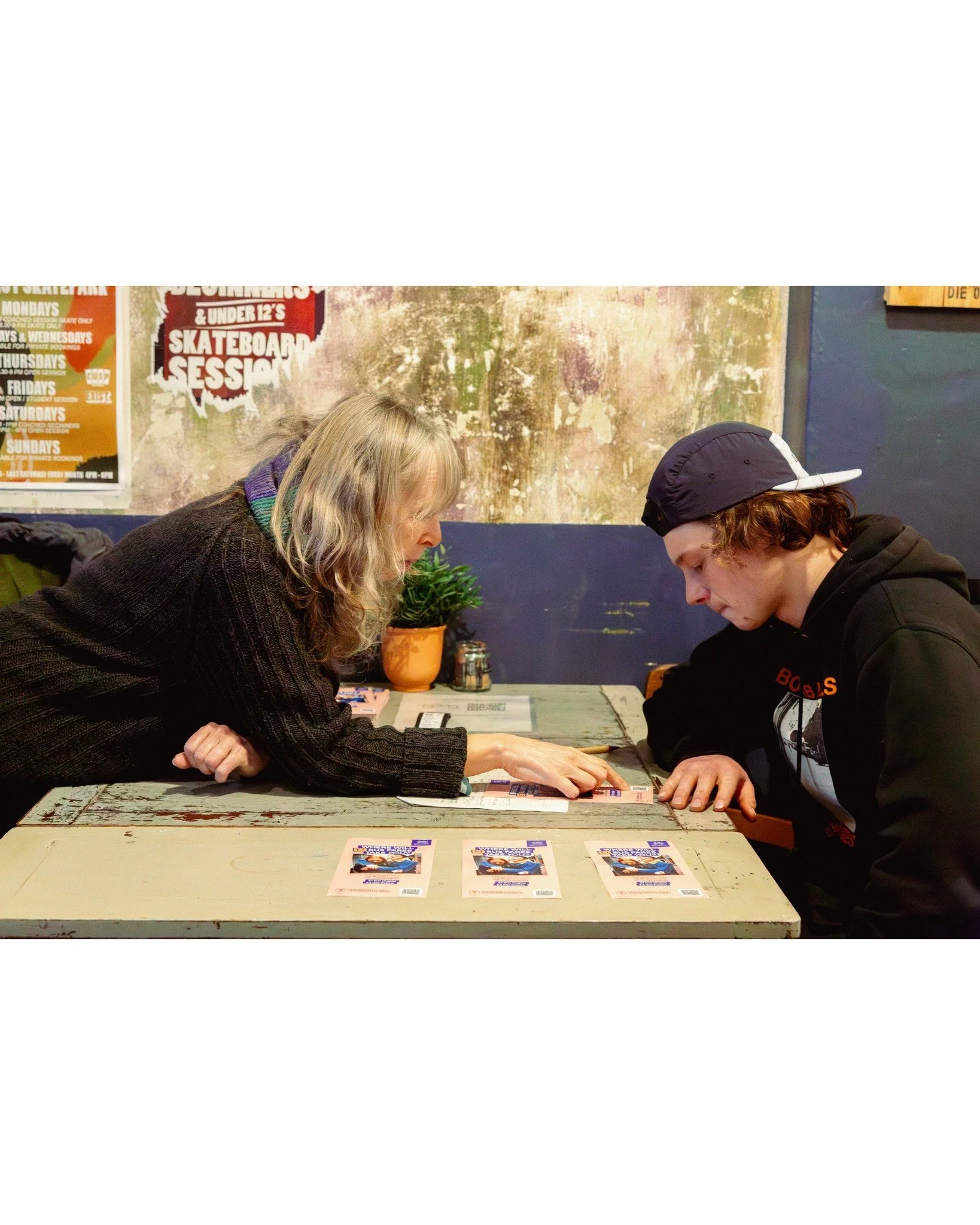
We had an amazing time at Exist Skatepark recently, teaming up with Sue from The Big Climate Leap to help young people sign up for the FREE My Travel Pass for 16–21 year olds.
We had an amazing time at Exist Skatepark recently, teaming up with Sue from The Big Climate Leap to help young people sign up for the FREE My Travel Pass for 16–21 year olds.
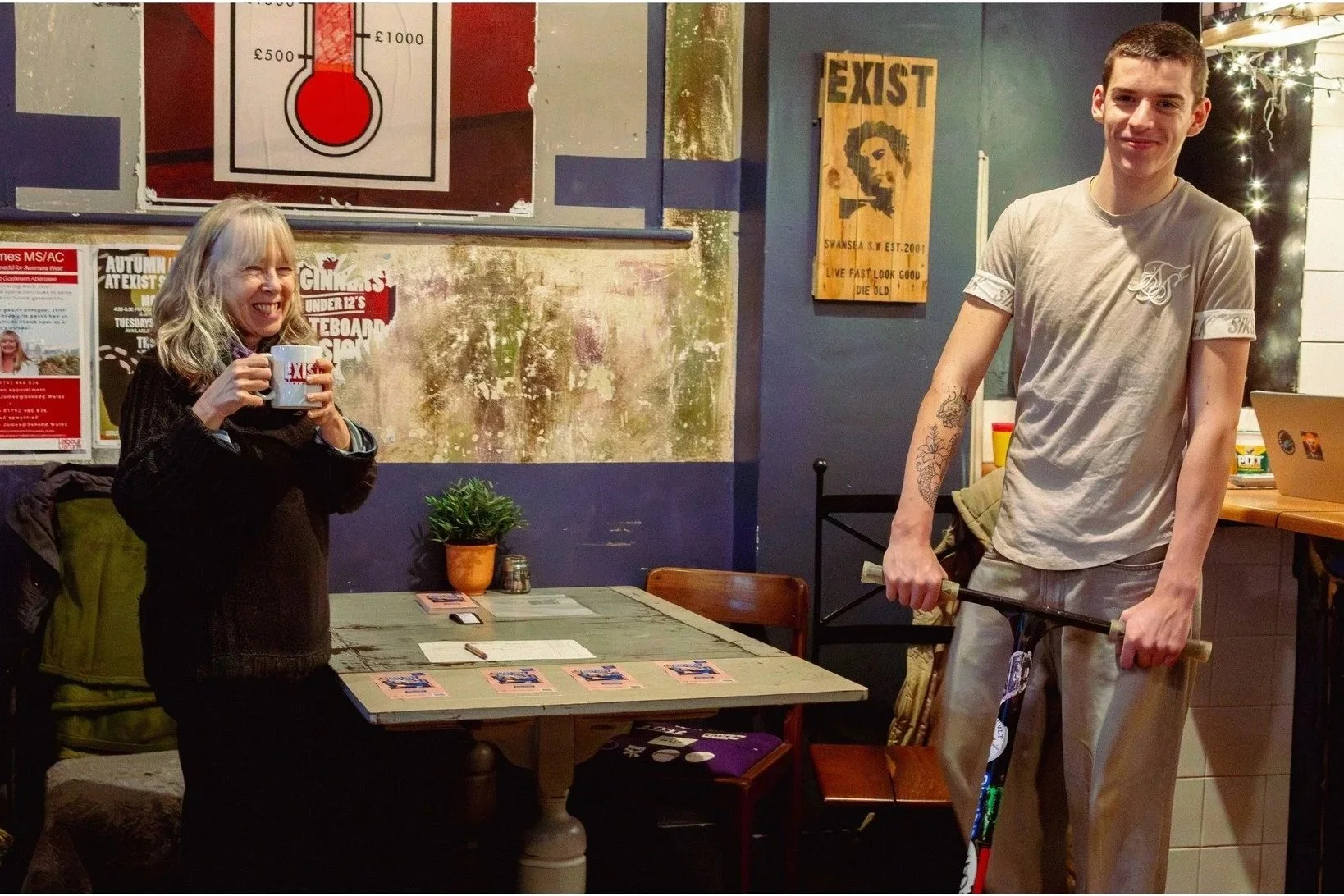
This brilliant pass means every bus journey costs just £1 — great for your wallet, and even better for the planet.
Why does it matter? Because choosing the bus over the car makes a real difference to carbon emissions. On average, a single car journey produces significantly more CO₂ per passenger than travelling by bus. When more people swap car trips for bus journeys, emissions per person drop dramatically. One full bus can take dozens of cars off the road, cutting congestion, improving air quality, and reducing overall carbon output.
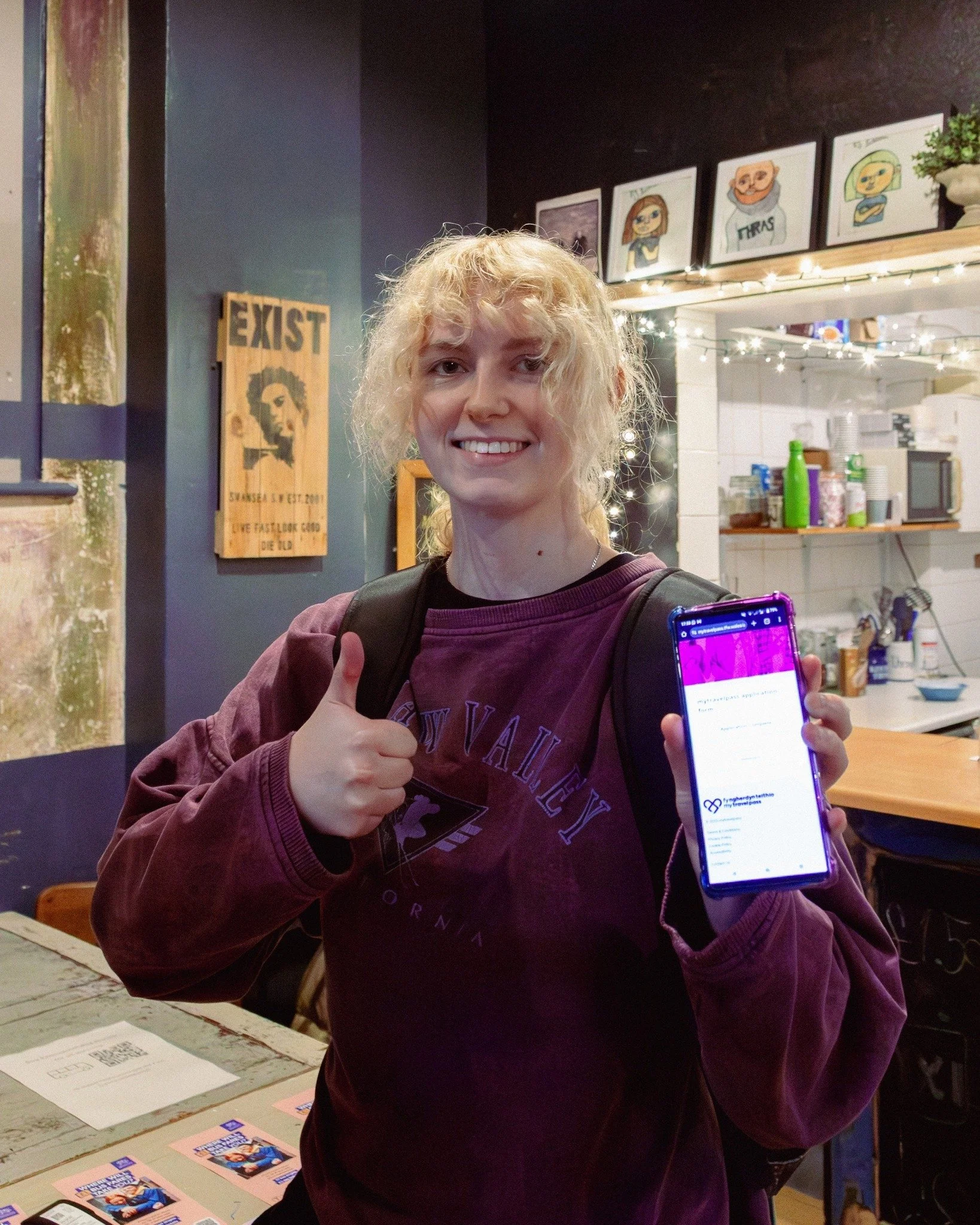
If just one young person switches a few regular weekly car lifts to bus journeys, the carbon savings quickly add up over months and years. Multiply that by dozens of new pass holders, and the climate impact becomes something to celebrate.
We’re thrilled to say the event was a huge success, with lots of young people signing up for their passes and taking a positive step toward low-carbon travel.

A massive thank you to the team at Exist Skatepark for being so welcoming and supportive — we’re absolutely loving working with you and helping make climate-friendly travel the easy choice.
Petition to add Carbon Footprint 'traffic lights' to food and drink.
Food, Climate and the Power of a Simple Label 🌍🥕
Did you know that over 26% of the world’s greenhouse gas emissions come from food and drink? That’s more than a quarter of global emissions — from what we grow, rear, process, transport and throw away.
Food, Climate and the Power of a Simple Label 🌍🥕
Did you know that over 26% of the world’s greenhouse gas emissions come from food and drink? That’s more than a quarter of global emissions — from what we grow, rear, process, transport and throw away.
The way our food is produced has a huge climate impact. Agriculture requires land, water and energy, and in some cases leads to deforestation and methane emissions. But not all foods carry the same carbon footprint — and that’s where awareness can make a real difference.
High-carbon foods 🍔🥩
Some foods have a particularly heavy climate impact, especially those linked to livestock and intensive farming. For example:
Beef and lamb are among the highest carbon foods due to methane from cattle and land use change.
Cheese and dairy products also have a significant footprint.
Chocolate and coffee can carry high emissions because of land use and long supply chains.
A kilogram of beef can produce many times more greenhouse gas emissions than a kilogram of plant-based foods like beans or vegetables.
Lower-carbon choices 🥦🌱
On the other hand, many everyday foods are far lighter on the planet:
Lentils, beans and chickpeas
Seasonal vegetables
Whole grains like oats and barley
Fruit grown without heated greenhouses
Plant-based foods generally require less land and energy and produce far fewer emissions per kilogram.
Leading by Example
That’s why BCL’s Project Officer, Sue Cole, has launched a petition calling for change.
Sue is urging companies to introduce Carbon Footprint ‘traffic lights’ on food and drink products — simple, clear labels that show whether an item has a high, medium or low carbon impact.
We’re calling on Sainsbury’s to take the lead by introducing carbon footprint traffic lights on groceries, empowering shoppers to make informed, climate-friendly choices.
Clear labelling has worked before. Nutritional traffic lights help us quickly understand fat, sugar and salt levels. Why not do the same for carbon?
If food and drink account for over a quarter of global emissions, giving people transparent information at the point of purchase could help shift demand toward lower-carbon options — and that collective shift could significantly cut emissions.
Small choices, multiplied millions of times, make a big difference. It’s time to put carbon on the label and climate action in our shopping baskets. 🛒🌎